The Heritage of the Site
The former Eastman Dental Hospital is one of London's most significant historic healthcare buildings. Opened in 1931 and designed by Sir John Burnet & Partners, it was established through the philanthropy of George Eastman, founder of Kodak, to provide pioneering dental care for children from low-income families.
Today, the Grade II listed building remains an important part of London's architectural and medical heritage, recognised for its distinctive façade, historic interiors and contribution to public healthcare. Other Eastman clinics around the world have been substantially altered and regenerated as their original uses declined. The Brussels Eastman Building is now the House of European History.
The updated proposals are centred on repair, reuse and careful adaptation, preserving the building's historic character while giving it a new role at the heart of UCL's academic campus. Historic spaces will be restored and brought back into active use, complemented by carefully designed contemporary additions.
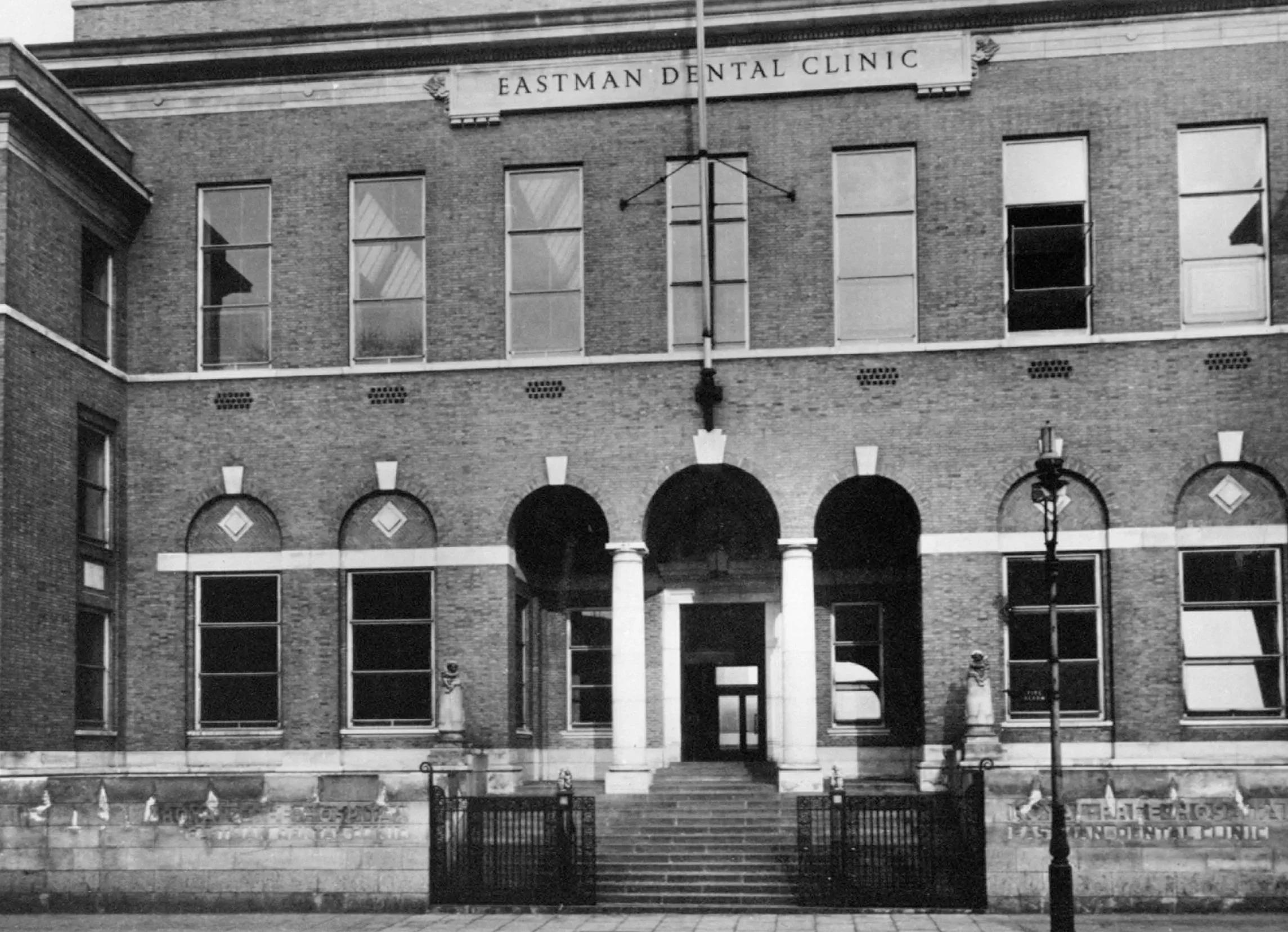
Former Eastman Dental Hospital
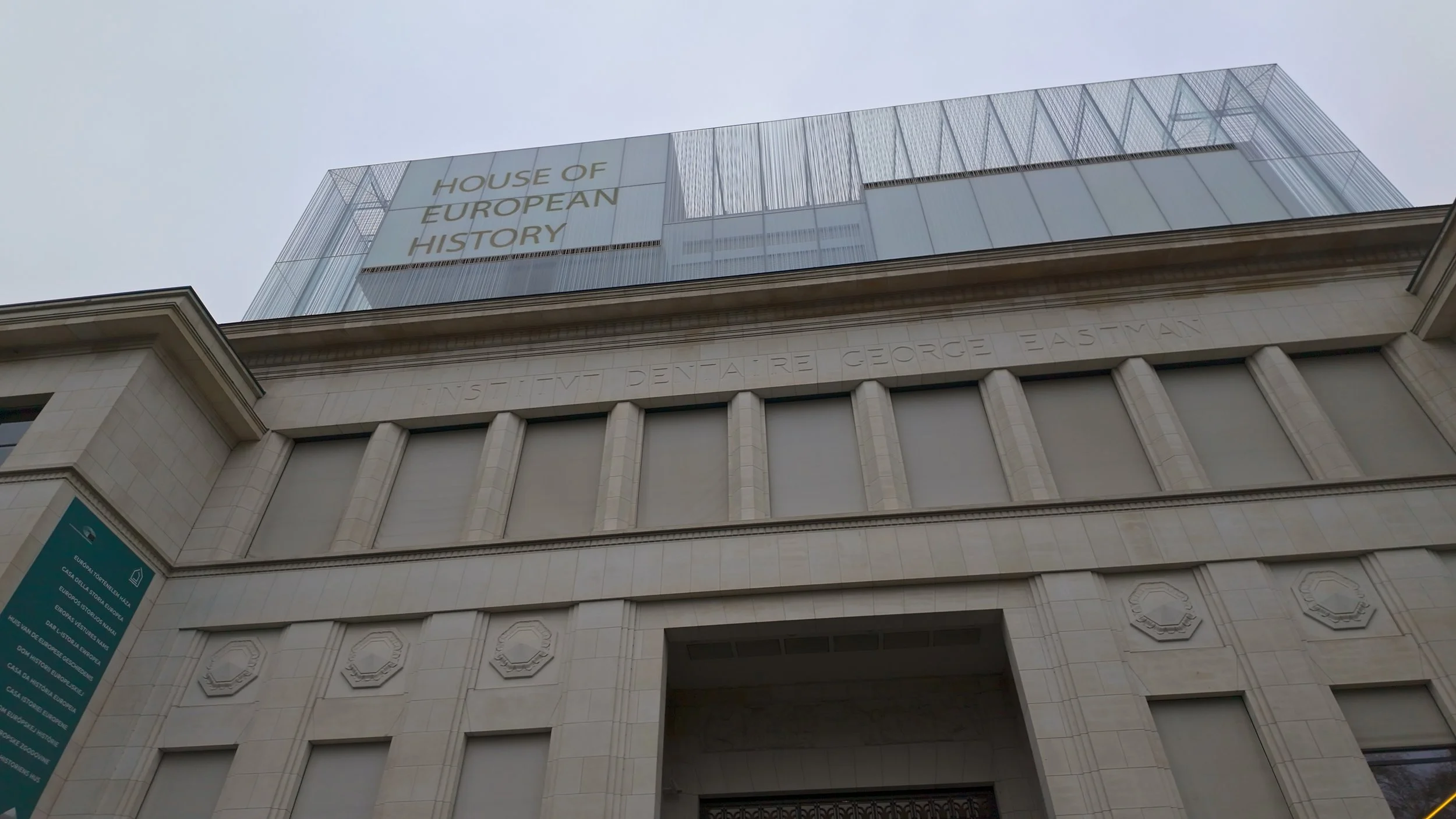
The former Eastman clinic in Brussels is now the House of European History
A New Chapter for Gray's Inn Road
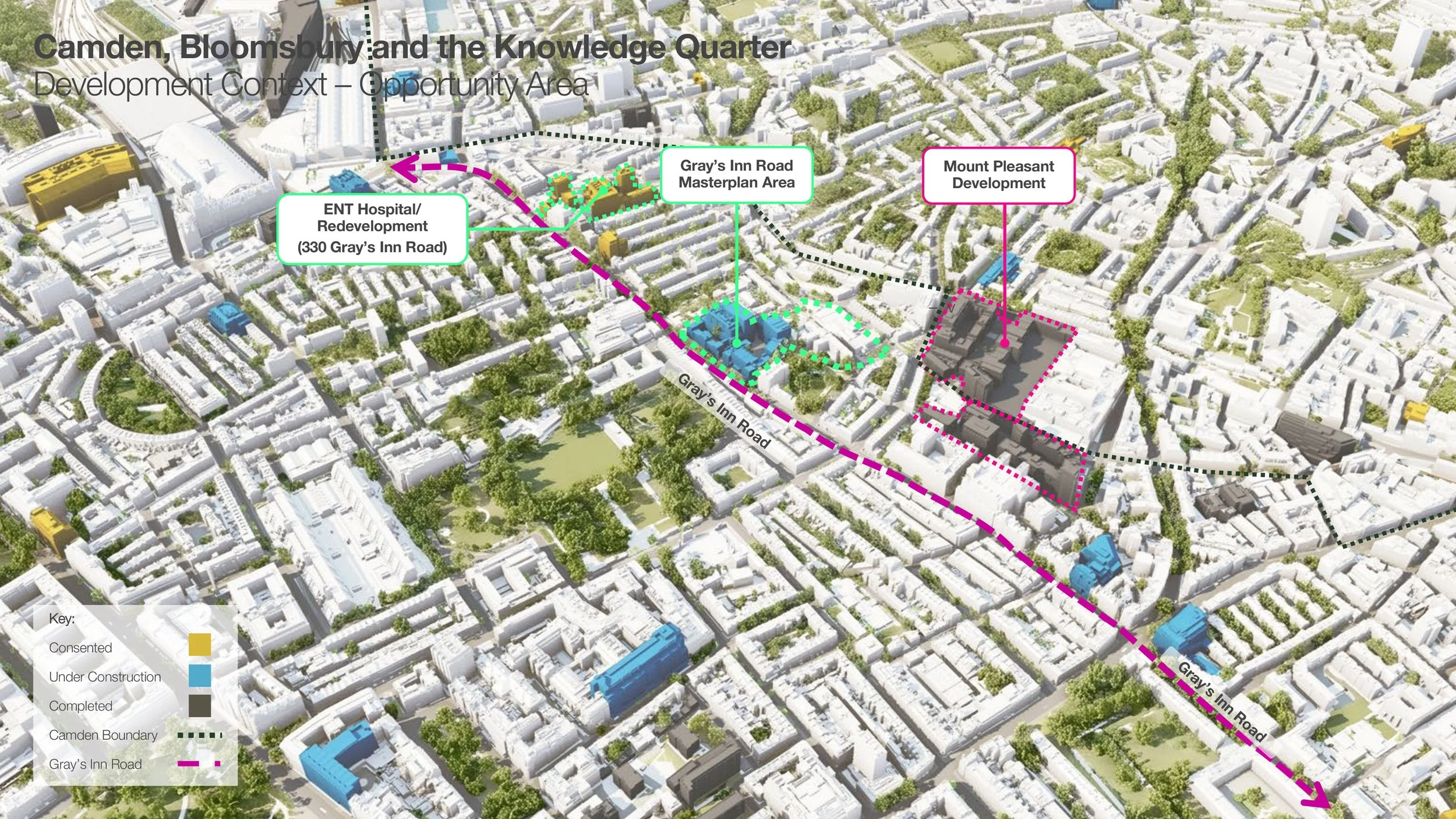
The former Eastman Dental Hospital site forms part of UCL's Gray's Inn Road plan within London's internationally recognised Knowledge Quarter, surrounded by world-leading universities, hospitals and research institutions.
In 2019, Camden Council granted planning permission for the comprehensive redevelopment of Plots 1, 2 and 3. Construction of Plot 1 is now underway and will provide a new centre for neurology and dementia research when it opens in 2028.
UCL is now bringing forward updated proposals for Plots 2 and 3, building on the approved masterplan to deliver modern academic facilities, enhance the public realm and secure the long-term future of the Eastman building. The proposals will provide an opportunity to bring together communities of academics and students working in closely-related disciplines that are central to UCL’s Academic Strategy. The aim is to unite UCL’s research strengths in mathematics, statistics, artificial intelligence, data science and computational health within a well connected site designed to encourage collaboration.